
Why the IT Channel Again Needs Real Community
4 min. read
AI is reshaping business models, cybersecurity is becoming a management-level responsibility, and many companies are facing mounting pressure to transform. At the same time, the IT channel often lacks precisely what matters most in moments like these: open, peer-level dialogue.
Key Takeaways
- Community beats pitch: 90 representatives from MSPs, systems integrators, vendors, and distributors gathered in Munich to discuss not products, but the fundamental question of how the channel is evolving – technologically and organisationally.
- Vendor neutrality as a value proposition: Instead of sales pitches, the focus was on open discussion and real-world experience. The GTIA approach creates exactly the kind of space that is so often missing in everyday channel life.
- Leadership is becoming a core competency: The more AI and automation reshape the working day, the more critical self-reflection, clear communication, and confident handling of different personality types become.
Related:Crisis Plan Instead of Crisis PR / Process Optimisation Without the Endless Project
This is precisely where the Global Technology Industry Association steps in. The global, vendor-neutral community organisation – born out of the former CompTIA Community – aims to create dedicated spaces across the DACH region where knowledge is shared, experiences are discussed openly, and new perspectives can take shape. No sales agenda, no traditional vendor interests.
What is the Global Technology Industry Association? GTIA is a global, vendor-neutral industry organisation for the IT channel, emerging from the former CompTIA Community. It brings together MSPs, systems integrators, vendors, and distributors in working groups, interest groups, and regional forums. In the DACH region, GTIA organises the Community Forum alongside thematic initiatives covering areas such as cybersecurity, AI, and channel strategy.
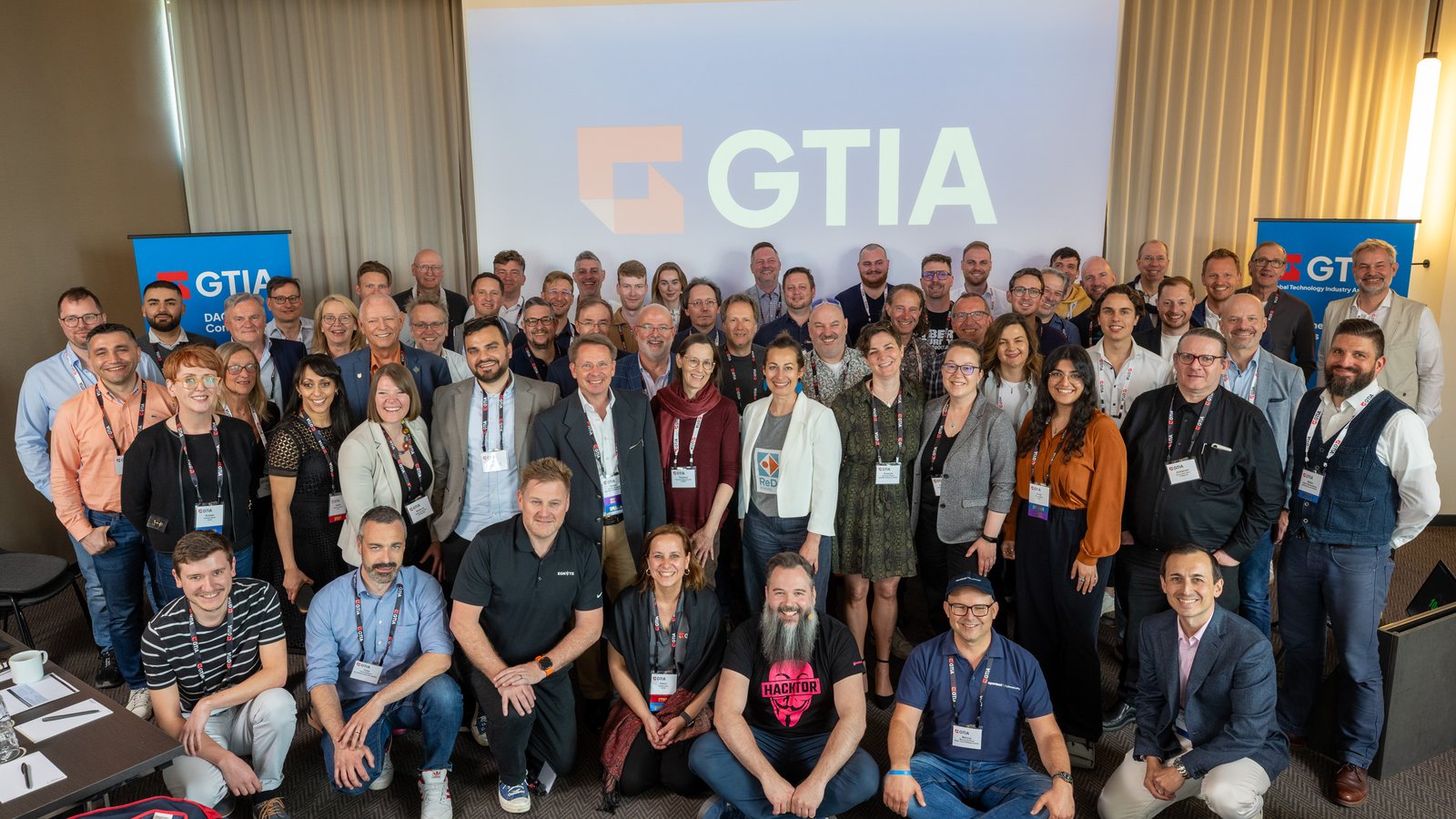
This was on full display at the GTIA DACH Community Forum in Munich. Around 90 representatives from MSPs, systems integrators, vendors, and distributors spent less time talking about products and more time grappling with a far more fundamental question: where is the channel headed – technologically, organisationally, and as a human endeavour?
The Channel Is Looking for Direction
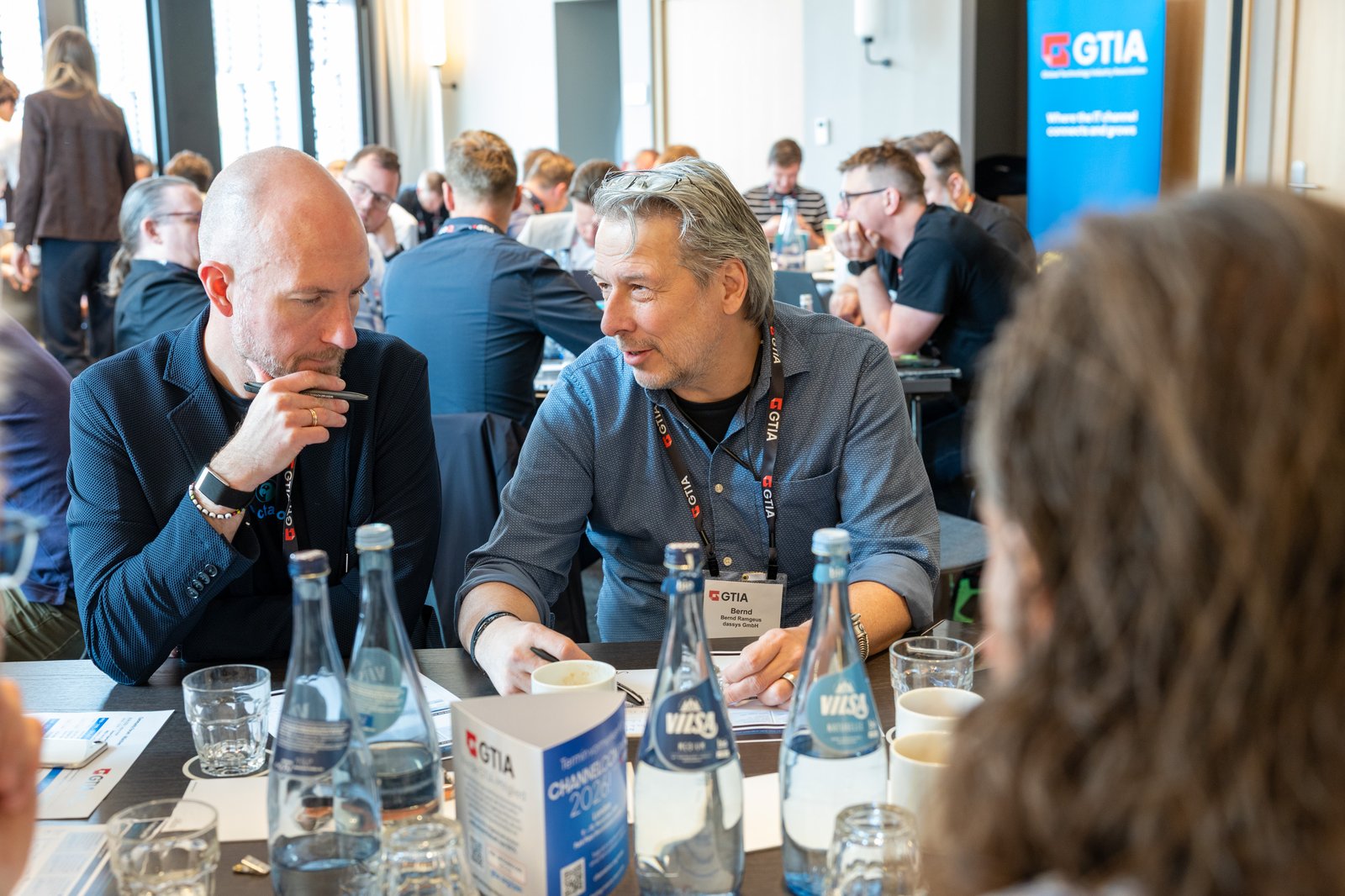
Many conversations at the event revolved less around individual technologies and more around the uncertainty that is palpable across so many organizations right now. AI is transforming workflows at a rapid pace. Cybersecurity is growing more complex. Regulatory requirements such as NIS2 are adding further pressure on businesses and IT service providers alike.
At the same time, there is often a shortage of time, resources, and platforms for honest dialogue about how companies are actually coping with these shifts.
That is precisely why the GTIA Community Forum put practical perspectives front and center. Walter Hölblinger spoke about the implications of quantum cryptography for future security architectures. Nils Söder and Paula Glatter explored why successful AI adoption has less to do with tools than with communication, psychology, and clarity.
Other sessions underscored just how concrete these challenges have become. Henry Werner delivered a live demonstration of how straightforward physical attacks on companies can be today – whether through unsecured devices or open network ports. Further roundtables tackled NIS2 implementation, AI in day-to-day work, and the question of how organizations can bring employees along through periods of change.
Sharing Knowledge, Not Selling Products
What stood out above all was the atmosphere of the event itself. Many attendees singled out GTIA’s vendor-neutral approach as a key differentiator. Rather than sales pitches or marketing presentations, the focus was on open discussion and real-world experience from everyday business life.
That spirit was equally visible in conversations around the GTIA Cybersecurity Interest Group, which was only founded in the DACH region last year. The initiative’s goal is to bring members together regularly on current security topics – practice-oriented and community-driven.
In an industry that evolves technologically as fast as the IT channel, this kind of exchange is growing ever more valuable. Many of today’s challenges can barely be solved in isolation. Companies are looking for direction, reliable networks, and people who have already worked through similar questions.
Technology Is Changing the Channel; Community Is Holding It Together
This came through most clearly in the closing keynote by Michael Ćaćić-Escalera. His focus was deliberately not on technology, but on communication and leadership. Because the more AI and automation reshape everyday work, the more essential skills like self-reflection, clarity of expression, and the ability to work with different personality types become.
That, ultimately, was the central message of the GTIA DACH Community Forum: the future of the IT channel will not be decided by new technologies alone. What will matter is how companies share knowledge, shape change together, and learn from one another as a community.
Frequently Asked Questions
How does the GTIA differ from traditional vendor events?
The GTIA operates in a vendor-neutral, community-driven way. There are no sales pitches, no product presentations, and no commercial interests from individual manufacturers. The focus is on sharing experience and finding solutions together – especially on topics like AI, NIS2, or security strategy.
Why is leadership in the IT channel such a central issue right now?
Every new wave of technology shifts the demands on leadership. AI and automation are reshaping workflows faster than many teams can keep up. Anyone looking to guide organizations through change needs clarity, strong communication skills, and the ability to bring together different personality types – not just technical know-how.
What role does cybersecurity play in the GTIA community?
With the GTIA Cybersecurity Interest Group, the organization has established a dedicated group in the DACH region that regularly brings members together on current security issues. Hands-on, community-driven, and free from any vendor agenda. Under growing NIS2 pressure, this kind of exchange is becoming a reliable reference point for many organizations.
Read more on MyBusinessFuture
MyBusinessFutureCrisis plan, not crisis PR: four decisions for SMEsMyBusinessFutureProcess optimization without endless projectsMyBusinessFutureBerlin Palace cheaper than the Elbphilharmonie?More from the MBF Media Network
cloudmagazinGTIA DACH Forum: Revitalizing PartnershipsDigital ChiefsTech Mandates in the Boardroom: NIS2, EU AI Act, and the Skill GapSecurityTodayAI Voice Clones: How DACH Companies Are Defending Themselves in 2026Image credit: Alex Schelbert
Translated from the German original using artificial intelligence. The German version is authoritative.
[/vc_column_text][/vc_column][/vc_row]

MyBusinessFuture / Evernine Media GmbH
Benedikt Langer befasst sich als Redakteur für MyBusinessFuture vor allem mit zukunftsweisenden Business- und Tech-Themen – von Künstlicher Intelligenz über Cybersecurity bis hin zu Mobilität, Energie- und Verkehrsinfrastruktur sowie resilienten Industrie-Ökosystemen.

